Understanding Darts: A Guide to Dart Manipulation, Fitting and Sewing
If you're a sewer then you'll know exactly what a dart is: a little wedge of fabric that we take out of flat, 2D fabric to create a 3D shape.
Most of us leave it there, accepting that they're a necessary evil and something that just is in sewing.
But what if I told you that darts are pretty magical parts of pattern cutting and fitting? And that once you understand dart manipulation, you can use them to do all kinds of things, from converting them into seams and gathers to fixing a gaping neckline in minutes?
How Do Darts Work?
The first step to using darts is understanding how they work in relation to the body.
There are two key concepts I want you to understand here:
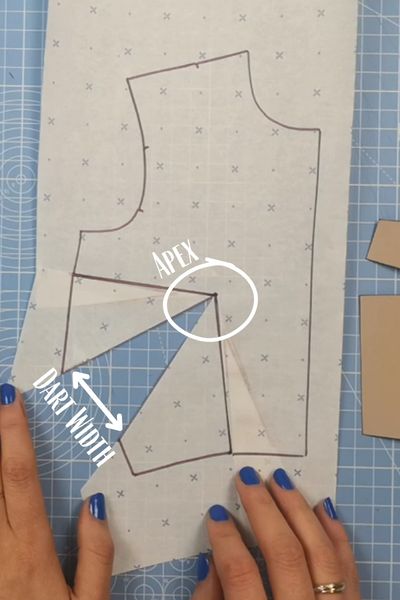
1. Darts turn a 2D shape into a 3D shape. The size of that 3D shape is determined by the width of the dart. Wider darts create a larger 3D shape, narrower darts create a smaller one. In real terms that means larger busts need wider darts, smaller busts need narrower darts.
2. The position of the 3D shape is controlled by the apex (the pointy part) of the dart. If the apex isn't sitting over the fullest part of the body then the shape the dart creates won't be sitting in the right place. In real terms that means if the apex of your bust dart is sitting too low, you'll get tightness across the fullest part of your bust and an empty pouch where the apex of the dart is.
Dart Manipulation: Moving and Converting Your Darts
Darts are magical parts of pattern cutting, but what if you don't want a dart in your design? What if you want a seam or gathers instead?
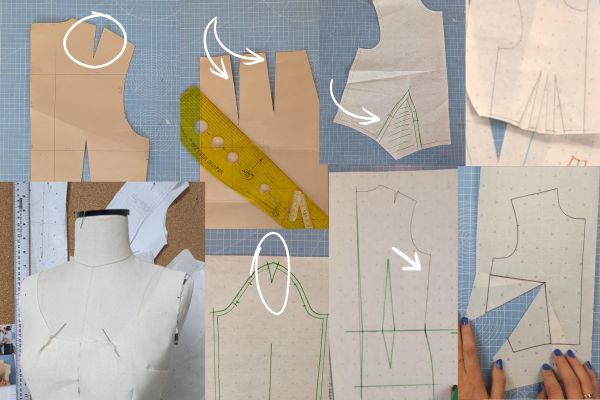
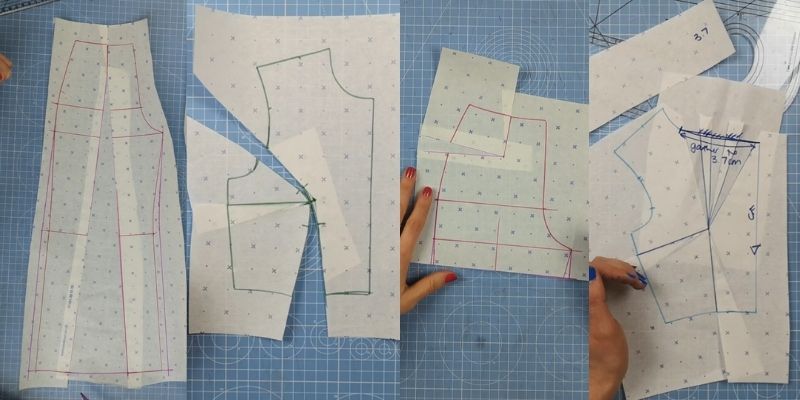
We can use our existing darts and get creative with them. We can convert dart shaping into a whole host of other things, like seams, gathers, and pleats, without changing the overall fit of the garment.
Learning how to change and convert darts is the first proper pattern cutting technique you'll learn when you start drafting your own patterns. First you need to learn how to rotate your dart into a new position, then you can layer that knowledge with how to convert your dart into something else, like a princess seam.
We call these skills dart manipulation, and they're often the first step to a much larger drafting plan.
You can learn about dart manipulation and other ways to change your patterns in my pattern cutting membership.
Getting Creative with Dart Manipulation
Basic dart manipulation is awesome, but we can get even more creative with our darts!
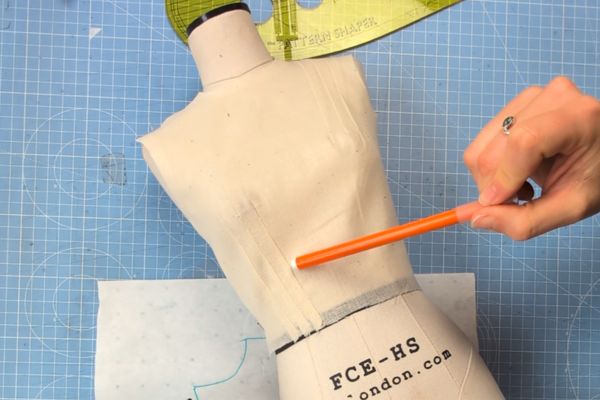
GROUPED DARTS: A fun way to play with darts is to split them into a group of smaller darts. You'll see this on vintage designs a lot.
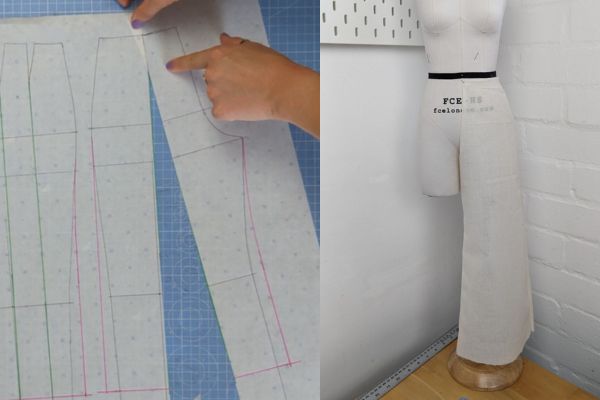
CONVERTING INTO FULLNESS: You can also use your darts to change the silhouette of your garment completely. Rotate your darts and convert them into fullness to create wide leg trousers.
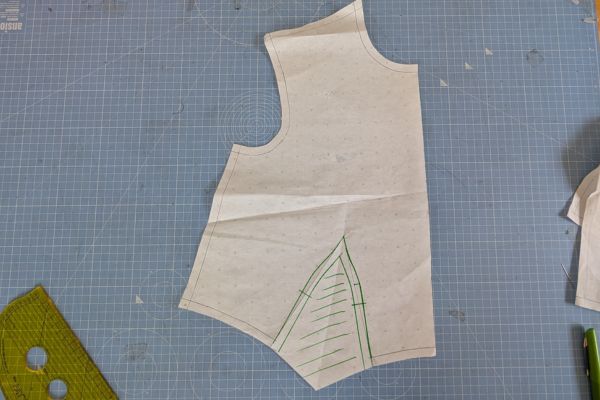
CURVED DARTS: A standard dart is made of two straight lines, which means it skims over the body's curves. But we can change the lines to be curved, allowing them to contour to the body.
For example, a straight vertical dart going from the waist to the bust doesn't shape the curve of the bust in this area. Curve it slightly, and it shapes to the body instead.
Darts in Unusual Places That Help With Fitting
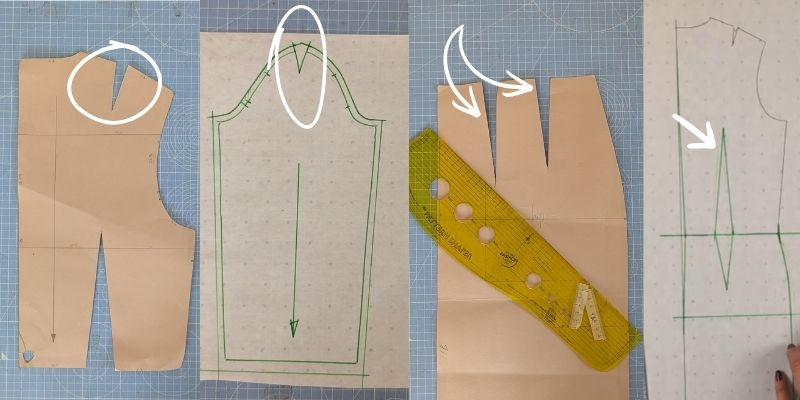
Darts aren't just for bust and waist shaping. We can find them anywhere on the body where there is a curve.
Here are a few of my favourite clever little darts:
Back shoulder dart: our back shoulders are curved, so logically we need shaping in this area or the back neck and armhole will gape.
Sleeve head dart: achieving a clean, well balanced fitted sleeve often comes with a compromise. Adding a small dart at the sleeve head is one of my favourite ways to get the right sleeve head height and bicep width without adding so much ease that you can't physically sew it in.
Double dart on back hip skirt or trouser: if you have a large hip to waist ratio (like me) your back waist darts can end up being very wide and very pointy. Try splitting one large dart into two smaller ones for a softer finish over your hip.
Fisheye darts: darts don't necessarily need to go to a seam. Fisheye darts create shaping in the middle of a larger pattern piece. Be careful of how wide they are though. If they're too wide they will twist inside the garment.
Temporary Darts: The Fitting Trick That Fixes Gaping Necklines and Armholes
Understanding and using darts is a key part of your fitting toolkit, and one that lets you adjust tricky gaping necklines and armholes easily.
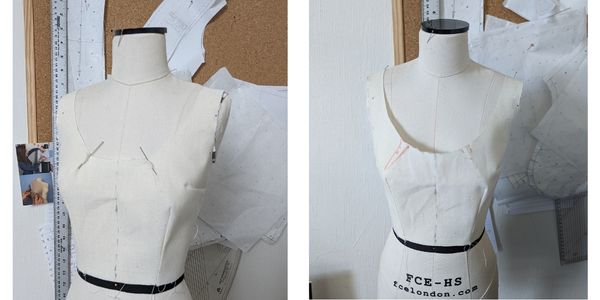
We've been there: you've made a toile, it fits beautifully, but the neckline is gaping horribly. If you pinch out the neckline it greatly improves things, but how do you transfer that to the pattern?
In comes: temporary darts.
Pin out the excess fabric, creating a dart going towards your bust point. Mark this on the pattern and then use simple dart rotation to rotate it into an existing dart.
You can do this for a number of different fitting issues, including adjusting balance, swayback adjustments, and gaping armholes, necklines, and other edges.
Need help fitting your bodice? Join me for a full day of bodice fitting in my Bodice Fitting Workshop.
How to Sew Darts: Tips for Clean, Accurate Results
Sewing darts can be tricky, but with practice it'll feel second nature in no time. Here are my tips:
• Clearly mark the dart onto the wrong side of your fabric using chalk and notches.
• Use pins to control the fabric.
• Don't pull or put any tension on the fabric while sewing. Darts are often off grain and can twist and warp if stretched.
• Don't back stitch the apex. Leave threads and tie off the apex instead. This keeps the point nice and accurate.
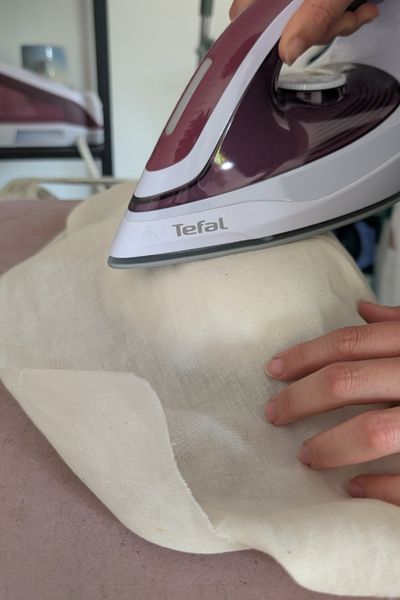
• Use a tailor's ham to press the apex and reduce any pointiness.
Troubleshooting Sewing Darts: Common Problems and Fixes
These are some of the questions that I get asked the most about darts...
Why are my darts so pointy? Try using a tailor's ham to press the apex. If that doesn't help, consider splitting your dart into multiple smaller ones, like the hip example or the grouped dart example above.
Why are my dart lines wobbly when I sew them? Mark the straight lines onto the wrong side of your fabric with a ruler and chalk. Pin the two lines together and sew slowly.
I love this pattern but I want princess seams instead of darts. Use dart manipulation to rotate and convert your darts into princess seams. Magic!
How do I fix a gaping neckline? Use a temporary dart to remove the gaping and rotate it into an existing dart.
My darts don't create the right amount of shaping for my body. Consider making your darts wider or narrower through an adjustment like a Full or Small Bust Adjustment, or move the position of the apex to mirror the fullest part of your body.
Got a question about darts and fitting? Join me in my Bodice Fitting Workshop!
I'm a bit biased, but I do really think that darts are one of those things that unlock everything else in pattern cutting. Once you understand how they work, how to move them and how to get creative with them, you have a tool that can solve fitting problems, change silhouettes, and open up a whole new way of thinking about your pattern drafting.
If you want to learn more about dart manipulation, it's one of the first things we cover in my membership. Pattern Cutting Essentials in Level 1 walks you through how darts work, how to rotate them, convert them into gathers, pleats, and seams. It's the foundation everything else builds on.
You can find out more about the membership here.