Best Fabrics For Summer Sewing
(And What to Make With Them)
London summer is unpredictable. Three good days, one week of confusion, and a whole lot of hoping for the best. But whether you're sewing for a heatwave or just getting ahead of yourself, fabric choice matters more than you might think.
Not all lightweight fabrics are actually breathable. And not all breathable fabrics are easy to sew. If you've ever made a summer garment that just felt...wrong to wear, the fabric was probably where it went wrong.
In this post we're going through the fibres and weaves that actually work for summer sewing, and exactly what to make with each one.
What Makes a Fabric Good for Summer?
Before we get into specifics, it helps to know what we're actually looking for. A good summer fabric will tick most of these boxes:
Breathability. The fabric allows air to circulate between the cloth and your skin, which helps your body regulate temperature naturally. Natural fibres tend to do this best.
Weight. Lighter fabrics feel less oppressive to wear in the heat. But weight alone doesn't tell the whole story, because a dense lightweight fabric can still trap heat against the body.
How it sits. Some fabrics stand slightly away from the skin, which allows air to move and stops the fabric clinging when things get warm. Linen is a classic example of this. A synthetic jersey that presses flat against you is the opposite.
Moisture management. Some fibres wick moisture away from the body naturally, which keeps you comfortable even when it's genuinely hot.
Keep these four things in mind as you read through the fibres and weaves below.
Let's Start With Fibres
A fibre is what the fabric is made from. It determines the key properties: breathability, feel, drape, and how the fabric behaves when you sew and wash it.
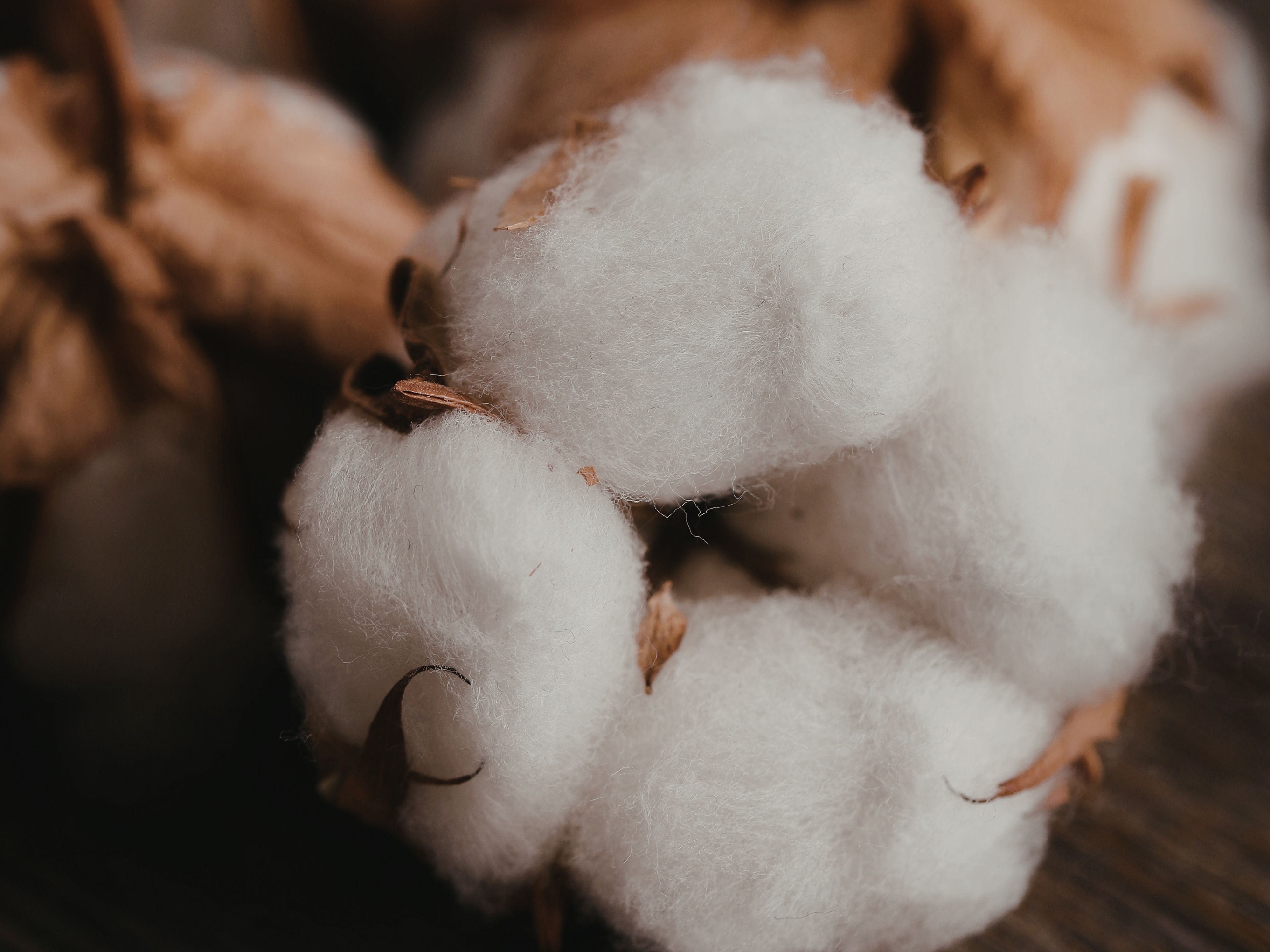
Cotton
Cotton is probably the most versatile summer fibre there is. It's breathable, naturally moisture-wicking, and very easy to care for. It comes in a huge range of weights and weaves, which makes it incredibly adaptable. From a crisp structured shirt to a soft floaty blouse, cotton can do it all.
Best for: shirts, dresses, blouses, t-shirts
Key weaves to look for: poplin, lawn (more on both of these in the weaves section below)
Browse some beautiful cotton options: Retro Cotton Poplin in Pink Floral Stripes at Good Fabric, or treat yourself to the iconic Poppy Forest Tana Lawn from Liberty London.
Linen
Linen is arguably the ultimate summer fabric. Its hollow fibre structure allows heat to leave the body, it dries quickly, and it stands slightly away from the skin rather than clinging. It's also naturally antibacterial and has some stain resistance, which is always a bonus.
The wrinkles are part of the deal. You will iron your linen garment in the morning and it will be creased by lunchtime.
That's not a flaw. It's the texture. Lean into it.
Best for: wide leg trousers, casual blazers, shirts
Some lovely options to explore: Green Blue Stripe Cotton Linen at The New Craft House, or this beautiful Fuchsia Pink 100% Linen from Rainbow Fabrics.
Viscose
Viscose is a semi-synthetic fibre, made from natural wood pulp but processed chemically to create that fluid, drapey quality. It's breathable, lightweight, and feels beautiful against the skin in warm weather.
A word of warning though: viscose is a bit of a diva to sew. It moves around on the cutting table, and fine weights can be tricky to handle. Take your time cutting it out and use plenty of pins.
Best for: dresses, skirts, blouses
Try: Summer Florals Print Fabric with EcoVero Viscose at Good Fabric, or the gorgeous Lime Crinkle Crepe at The New Craft House.
Silk
Silk is the luxury option. It's naturally temperature-regulating, light, and has a beautiful drape that's hard to replicate with anything else. It can feel genuinely cool against the skin even in real heat, which is why it's been a summer staple for centuries.
It requires a little more care in both sewing and washing, but the results are worth it.
Best for: evening wear, dresses, blouses
Key weaves to look for: chiffon, crepe de chine, jersey (more on all of these in the weaves section)
Beautiful options: Joy Blooms Silk Crepe de Chine at Fabric Godmother, or this stunning Magenta Spotted Silk Jacquard Chiffon at The New Craft House.
Bamboo
Bamboo is a great sustainable option. It's grown without pesticides and processed into a soft, breathable fabric that naturally helps protect against UV rays. It's also highly absorbent, which makes it particularly good for active wear and anything worn close to the body.
Best for: sportswear, casual knit garments
Try: Pale Cream Organic Bamboo Cotton Jersey at Rainbow Fabrics, or this lovely 100% Bamboo Dress Fabric in Midnight Foliage at Croft Mill.
Lyocell (Tencel)
Lyocell, often sold under the brand name Tencel, is one of the most eco-friendly fabric options available. It's produced from wood pulp using a closed-loop process that recycles both water and solvents. It's breathable, has a beautiful soft drape, and works really well for flowing summer garments.
Best for: dresses, blouses, skirts, shirts
Take a look at this Lyocell Floral Lightweight Dress Fabric at Croft Mill, or the classic Diesel Blue Tencel Twill at Merchant & Mills.
A Note on Blends
Blended fabrics combine two or more fibres in a single cloth. A cotton/linen blend, for example, gives you the softness of cotton with some of the structure and texture of linen. A viscose/cotton blend tends to be more stable and easier to cut and sew than pure viscose.
Blends are often a more budget-friendly option than pure natural fibres, and they tend to be easier to care for too. The trade-off is that the properties of each fibre are diluted. A cotton/polyester blend won't breathe as well as a 100% cotton, and a linen/polyester blend loses some of that beautiful structure.
Check the fibre content label and look for blends where natural fibres make up the majority of the content. The closer to 100% natural, the better the performance in summer.
Weaves
A weave is the way the threads are interlaced to create the fabric. Even within the same fibre, different weaves produce very different results. A poplin and a lawn are both plain weave cottons, but they feel and behave quite differently to sew and to wear.
There are three main categories of weave: plain, twill, and satin. Most of the fabrics we reach for in summer sewing fall into the plain weave category, but there are a few others worth knowing.
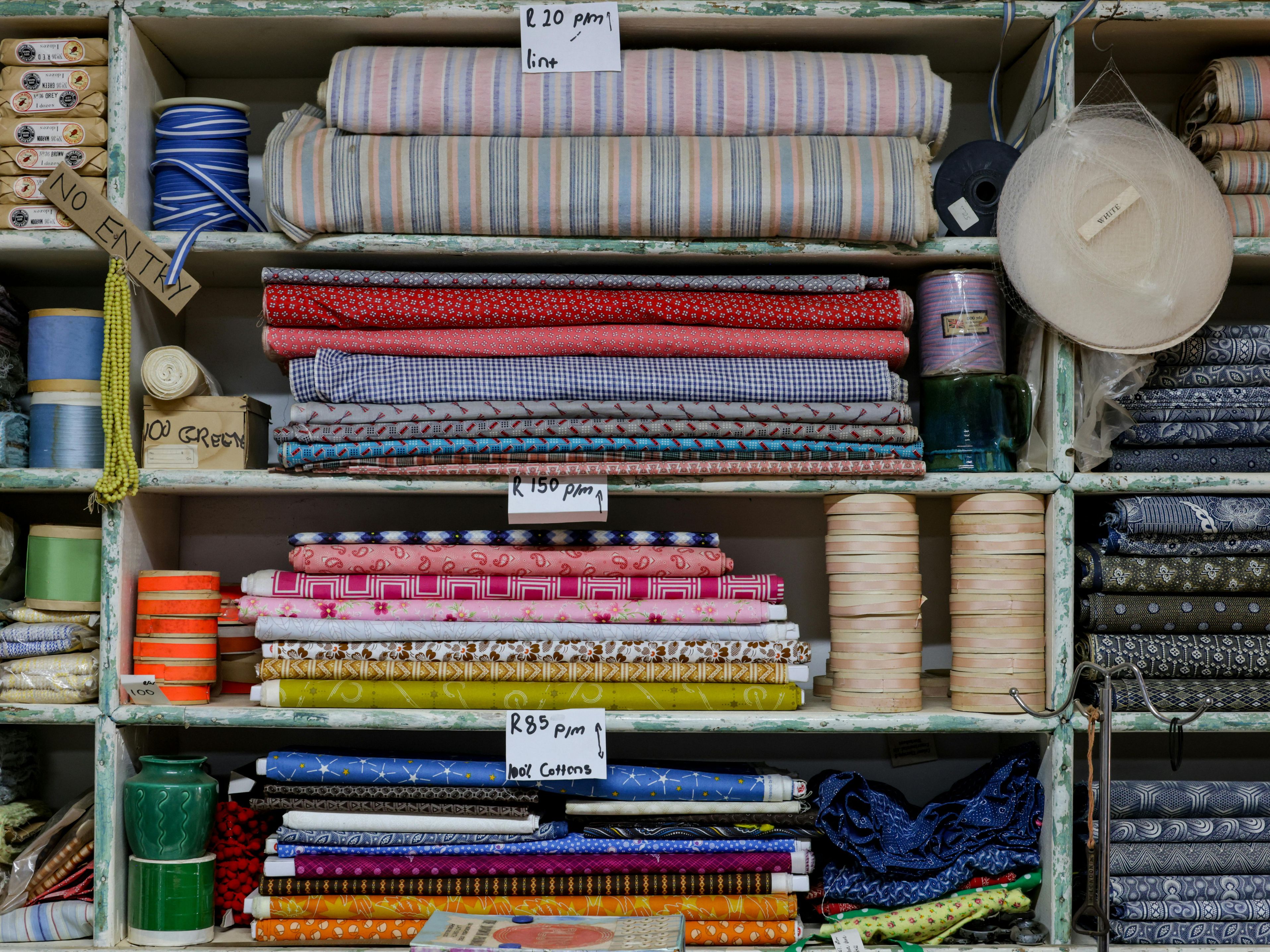
Plain Weaves
Plain weave is exactly what it sounds like: one thread over, one thread under, repeated. It's the most common weave structure, and it creates fabrics that are strong, stable, and generally easy to sew. A lot of your favourite summer fabrics are plain weave, even if you would never have guessed. Let's take a look at some popular plain weaves:
Poplin
Think: smooth, crisp, everyday staple.
Poplin is a plain weave where the yarns in one direction are slightly thicker, which creates a subtle horizontal rib on the surface. The result is crisp and structured but still comfortable to wear. It's the classic choice for summer shirts and shirt dresses because it holds its shape without being stiff.
Best for: shirts, shirt dresses, structured blouses
We really love the idea of making this Jenna shirt and shirt dress

Photo credit: Cloth House. Check out this Aster Printed Poplin Cream here
Oxford Cotton
Think: classic shirt fabric with a bit of texture.
Oxford cotton is a basket weave variation of the plain weave, using grouped yarns to create a slightly heavier, more textured fabric. It often combines white and coloured yarns, which gives it that speckled, traditional look. It's a touch more casual than poplin and a little softer to wear.
Best for: button-down shirts, casual summer garments

Photo credit: Yorkshire Fabric. Check out this Red and White Stripe Oxford Cotton Shirting here
Lawn
Think: ultra-fine, almost silky cotton.
Lawn is made with very fine, high-quality yarns in a plain weave, which is why it feels so different to poplin even though the weave structure is technically the same. It's delicate, lightweight, and drapes beautifully. Perfect for anything floaty, gathered, or soft.
Best for: blouses, dresses, anything with gathers or flutter details
We really love the idea of making this Etta dress
The Poppy Forest Tana Lawn from Liberty is the iconic choice if you want to treat yourself.
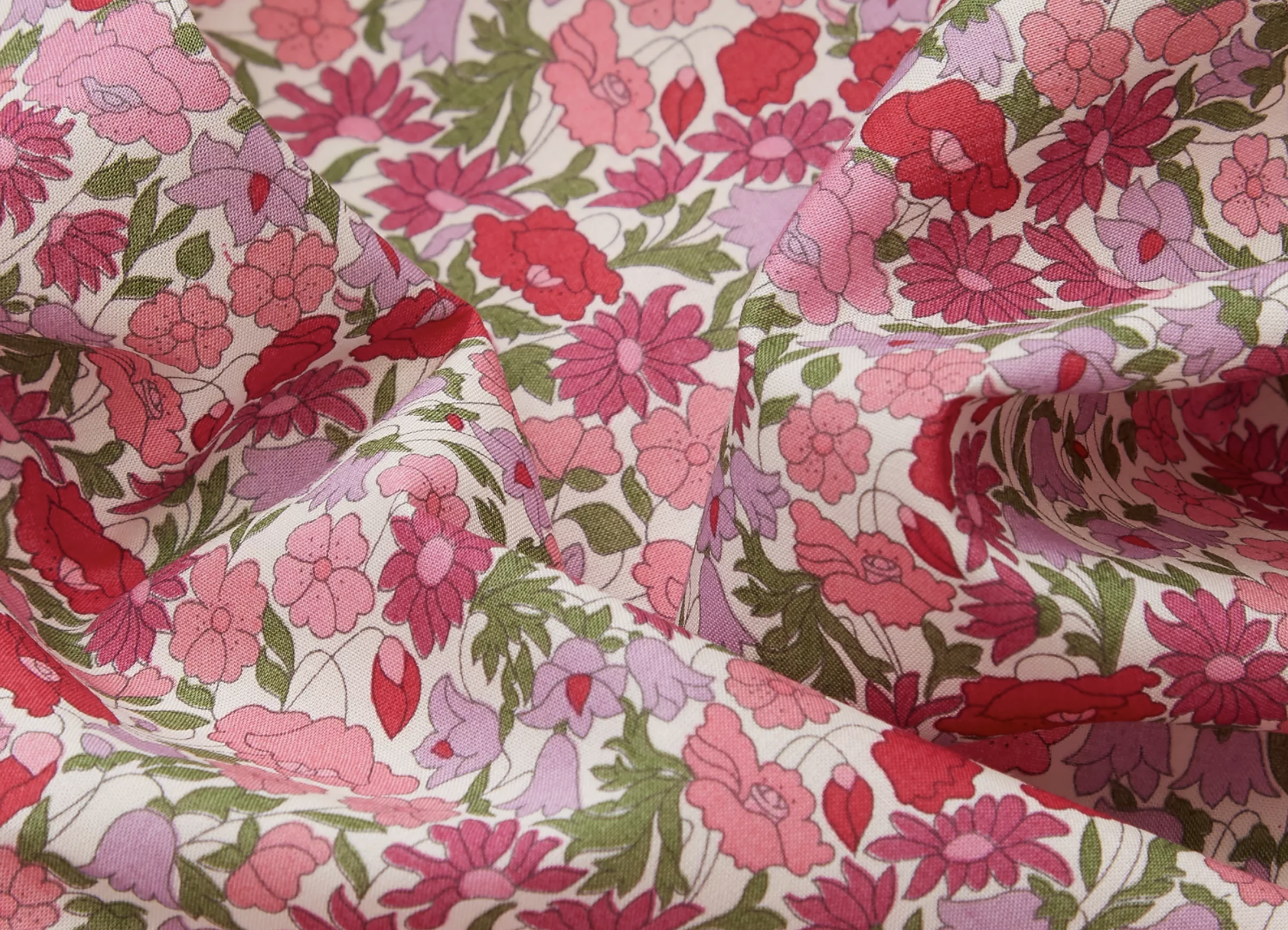
Photo credit: Liberty. Check out this Poppy Forest Tana Lawn™ Cotton here
Seersucker
Think: puckered, breezy, very low effort.
Seersucker is also a plain weave, but woven under different tensions so that parts of the fabric bunch up permanently, creating that signature alternating smooth and crinkled texture. This means the fabric sits away from the body rather than pressing against it, which genuinely helps with airflow. It's also quick-drying and doesn't cling.
Best for: summer shirts and dresses, loose trousers, anything where you want shape without cling
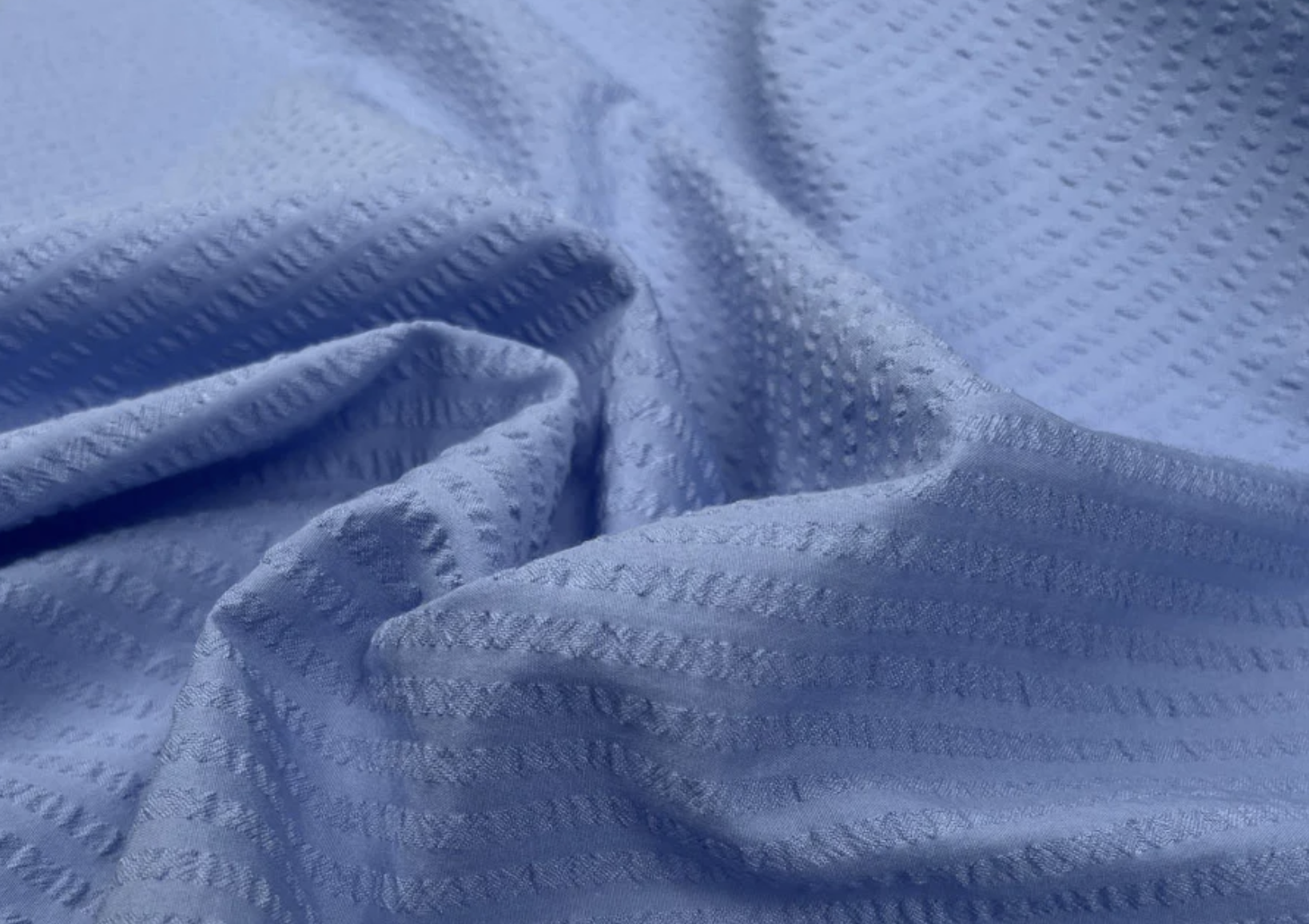
Photo credit: Croft Mill. Check out this Seersucker Shirting here
Browse: Ivory Sheer Seersucker at The New Craft House, or the beautiful Merryweather Organic Cotton Gingham Seersucker at Merchant & Mills.
Gauze
Think: sheer, floaty, almost cloud-like.
Gauze is a very loose plain weave, which gives it that see-through, ethereal quality. There are two main types: single gauze, which is very sheer and delicate, and double gauze, where two layers are lightly tacked together to create something more stable and slightly spongy. Double gauze in particular is brilliant for summer. It's soft, breathable, and has enough body to hold its own.
Best for: floaty tops and dresses, layered summer pieces
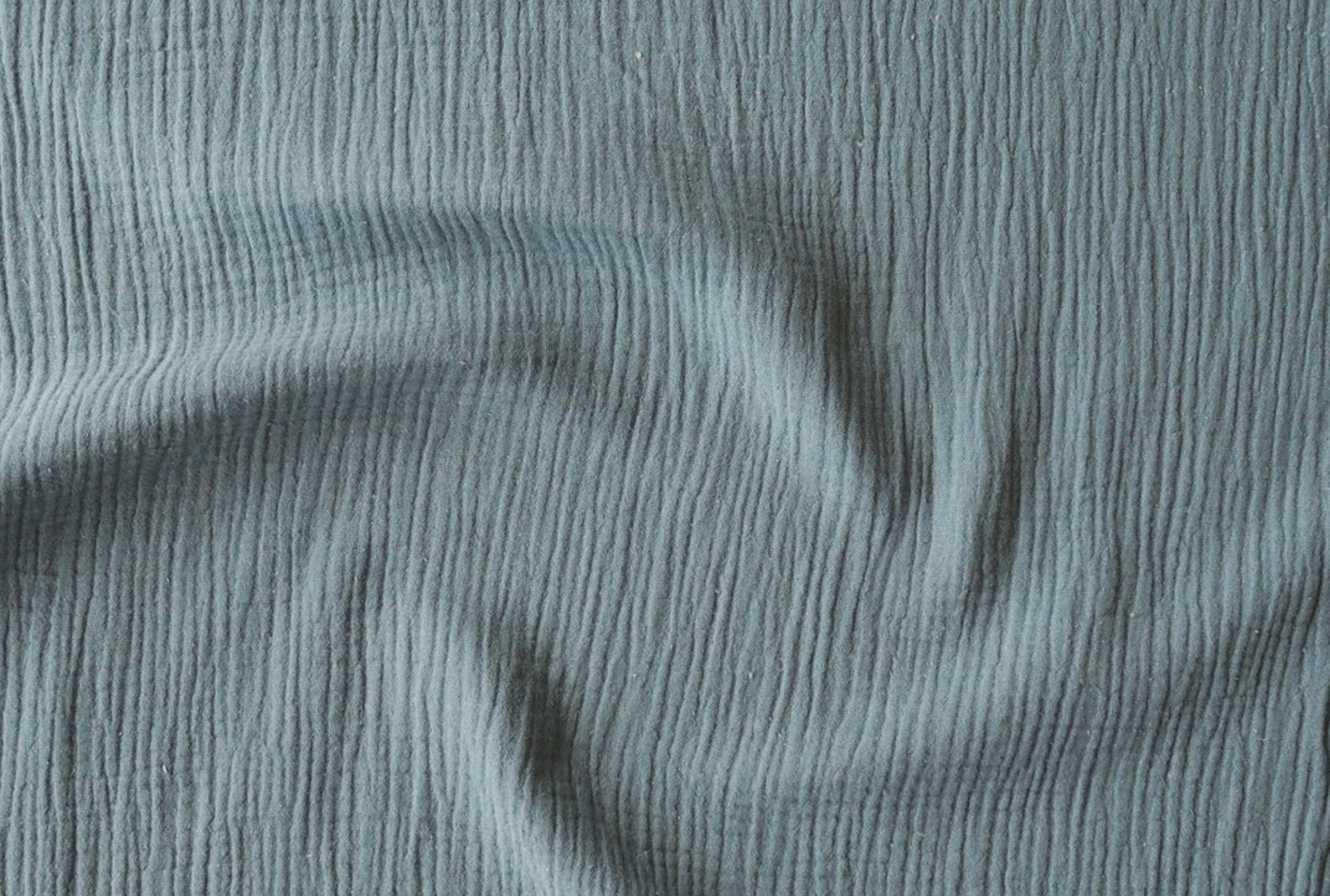
Photo credit: Guthrie & ghani. Check out this Cotton Double Gauze here
Crepe de Chine
Think: fluid, elegant, slightly matte drape.
Crepe de chine uses high-twist yarns in a plain weave, which creates that subtle pebbled texture on the surface. It drapes beautifully without being too slippery or too stiff, which makes it one of the best weaves for soft blouses and dresses. You'll find it most commonly in silk or viscose.
Best for: blouses, slip dresses, designs with soft gathers
The Joy Blooms Silk Crepe de Chine at Fabric Godmother is a lovely example.
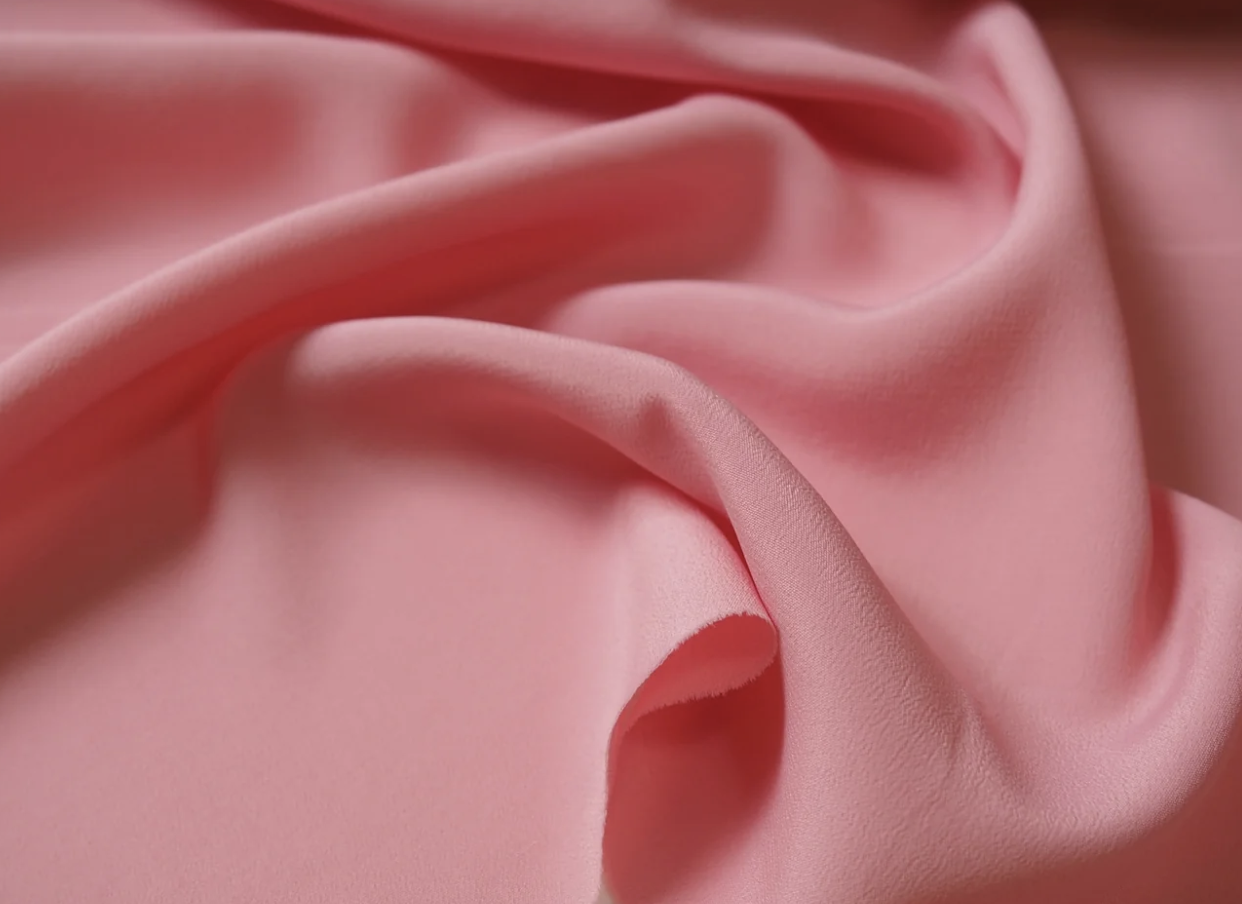
Photo credit: The new craft house. Check out this Peony Silk/Acetate Crepe de Chine here
Chiffon
Think: sheer, floaty, impossibly light.
Chiffon is a plain weave made with highly twisted yarns, woven very loosely, which gives it that characteristic sheer and delicate quality. It moves beautifully and has a gorgeous drape, but it does require a bit of patience to sew. It slides around on the cutting table (use pattern weights rather than pins where you can) and the raw edges fray quickly, so finish them as you go.
You'll find chiffon most often in silk or polyester. Silk chiffon is the dream: breathable, lightweight, and with a natural lustre. Polyester chiffon is more affordable and easier to care for, but it won't breathe as well in the heat.
Best for: floaty overlays, evening dresses, blouses, layered summer pieces
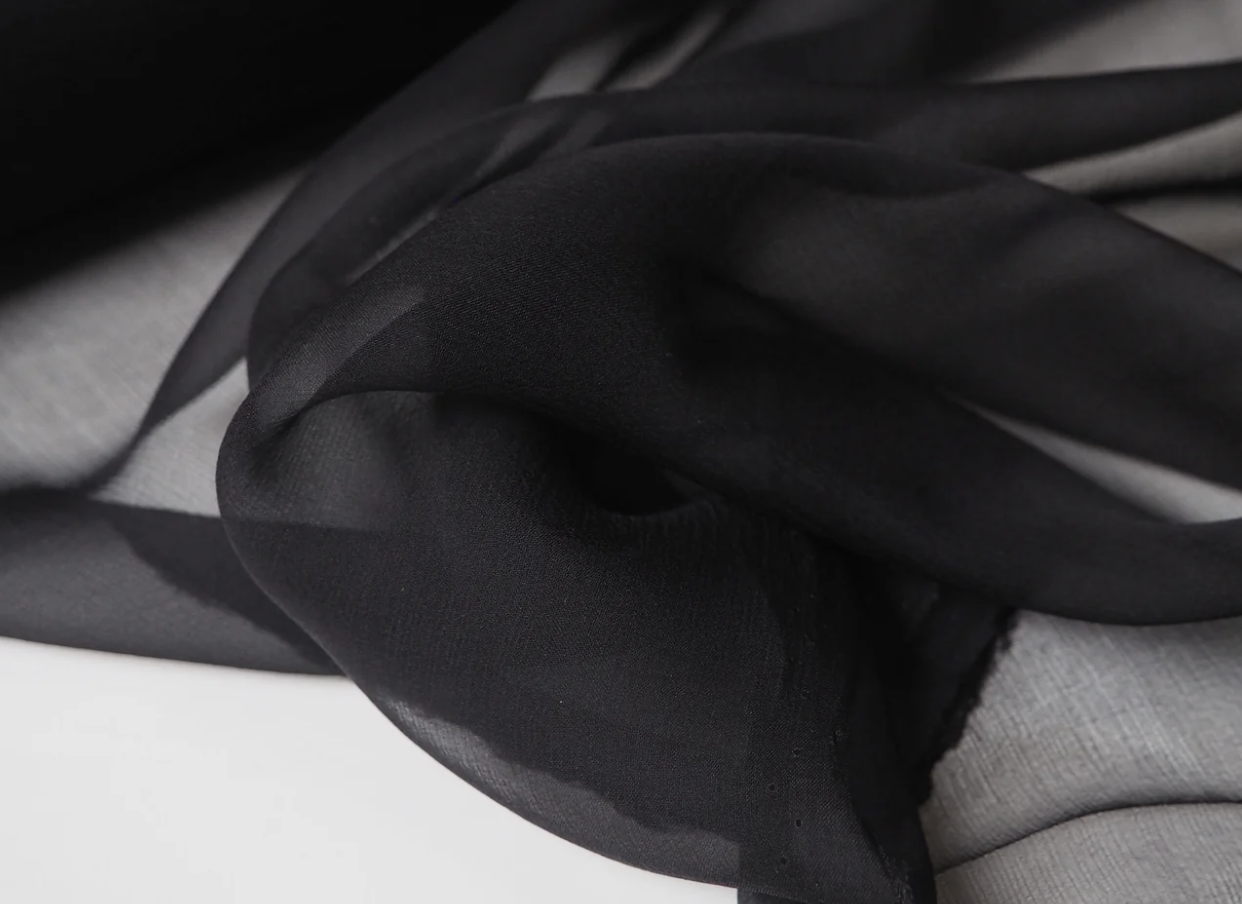
Photo credit: The new craft house. Check out this Black Silk Chiffon here
Twill Weaves
In a twill weave, the yarns pass over and under more than one thread at a time in a staggered pattern, which creates those distinctive diagonal ribs on the surface. This structure gives twill fabrics better drape and durability than a plain weave.
For summer sewing, the key is to go lightweight. A heavy cotton twill in July is nobody's friend. But a silk twill? That's another story entirely. Silk twills are fluid and soft, with a beautiful weight and a subtle lustre that makes them perfect for summer blouses and dresses. A [PATTERN NAME-DROP] cut in silk twill would be absolutely gorgeous.
Best for: blouses and dresses in silk twill, loose trousers in a lighter twill weight
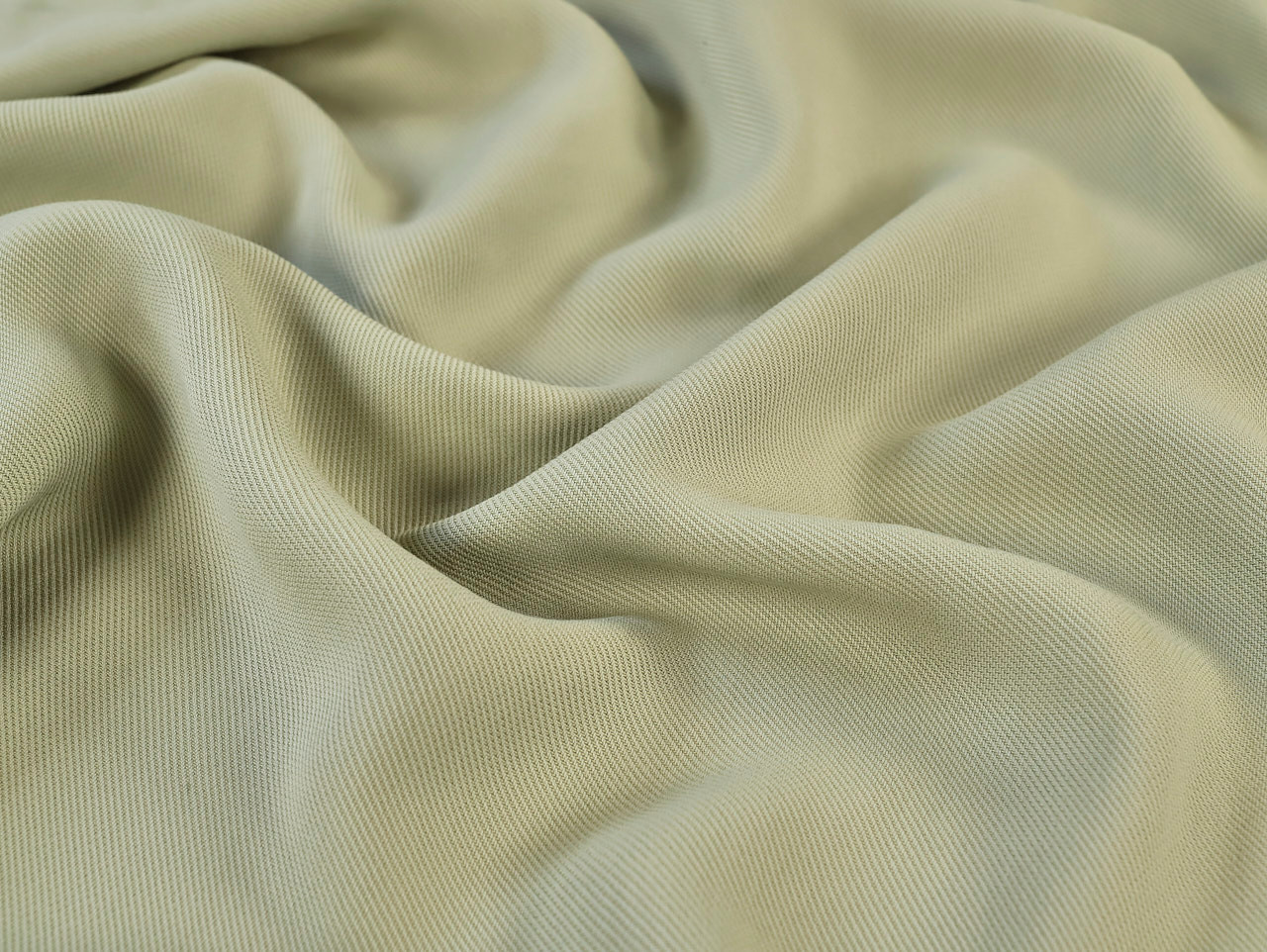
Photo credit: Fabric Godmother. Check out this Aliyah Viscose Twill here
Jacquard
Jacquard isn't a single weave structure but a method of weaving complex patterns directly into the fabric using a specialised loom. The design is built in, not printed or embroidered on top. It can produce anything from subtle surface textures to bold, brocade-style designs.
For summer sewing, the fibre and weight are everything here. A heavy brocade jacquard is absolutely not a summer fabric. But a lightweight cotton jacquard or silk jacquard can be beautiful for a special occasion dress or an elegant blouse. Always check the fibre content and hold it up to feel the weight before buying.
Best for: special occasion dresses, elegant blouses (in lightweight cotton or silk jacquard only)
The Magenta Spotted Silk Jacquard Chiffon at The New Craft House is a gorgeous example of a lightweight jacquard that works brilliantly in summer.
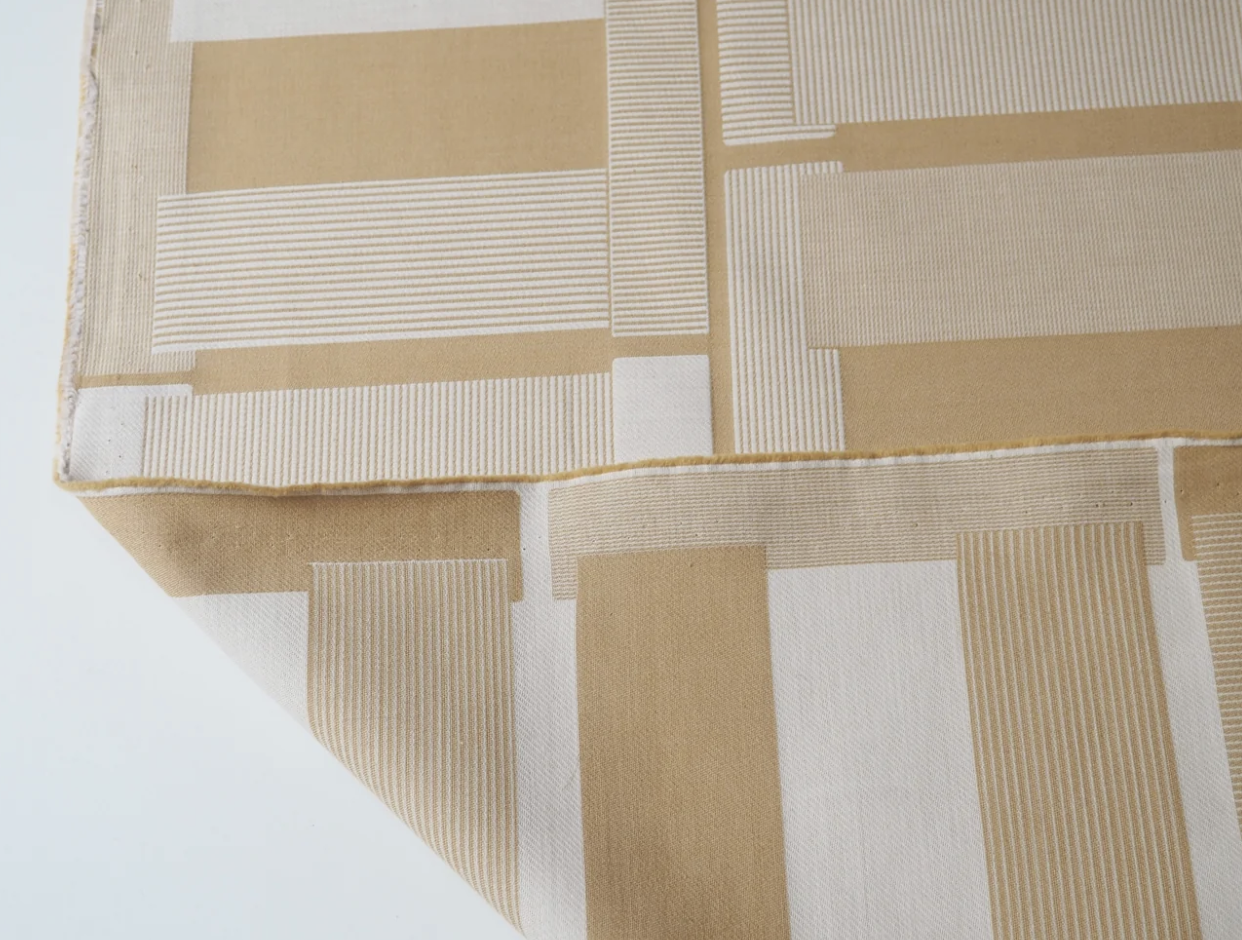
Photo credit: The new craft house. Check out this Butterscotch Square Cotton Jacquard here
Jersey
Jersey is a knit fabric rather than a woven one. Instead of threads interlacing over and under, jersey is made from interlocking loops of yarn, which is what gives it that natural stretch. It's soft, flexible, and comfortable to move in.
Jersey comes in a huge range of weights and fibres. A lightweight viscose jersey drapes beautifully for a summer dress. A bamboo jersey is soft and breathable for active wear. Look for jersey with a natural fibre content for the best performance in the heat, and avoid anything with a high polyester content if breathability matters to you.
Best for: dresses, skirts, t-shirts, active wear
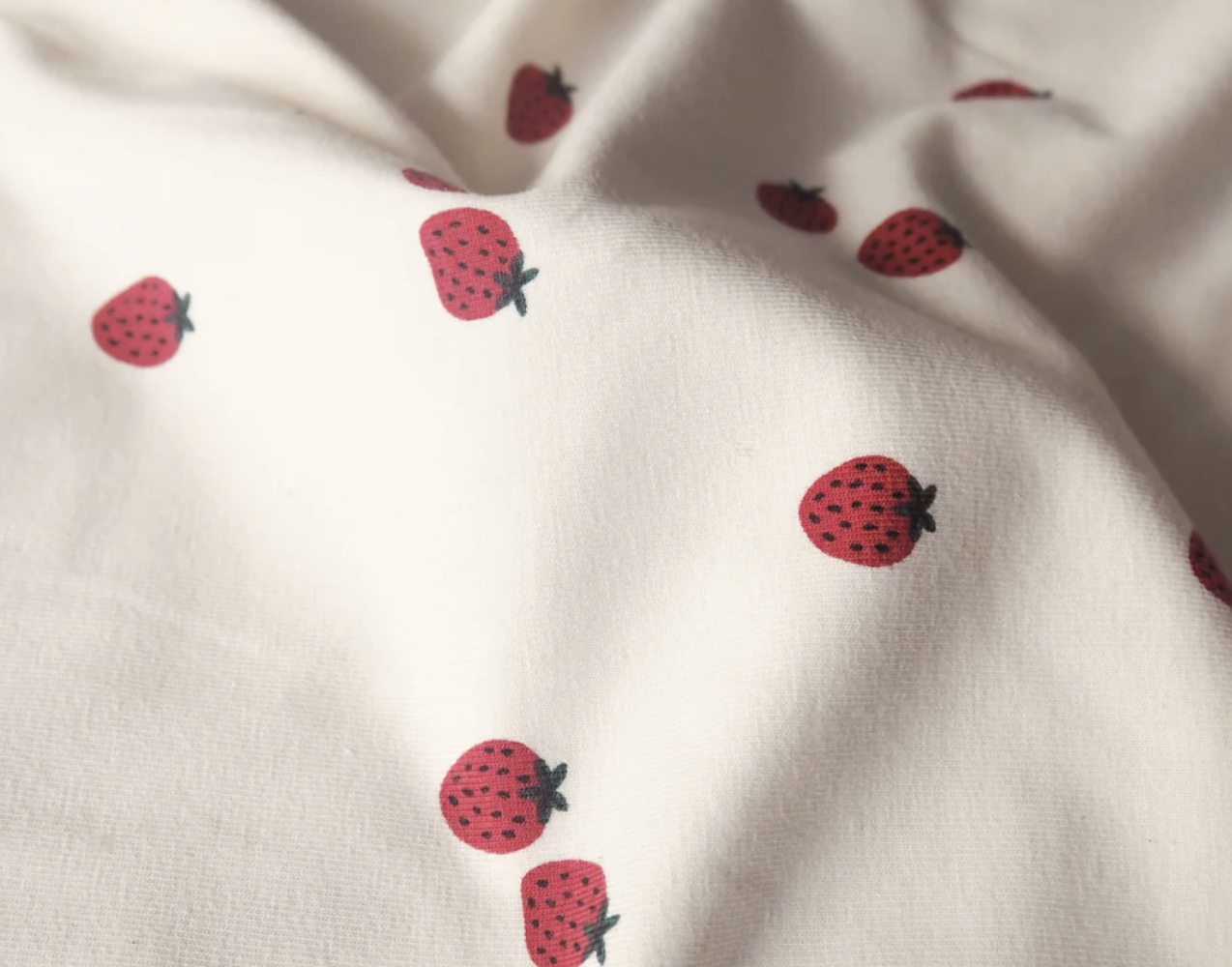
Photo credit: Guthrie & ghani. Check out this Strawberry Dream Cotton Jersey here
Top Tips
A few things worth knowing before you start cutting.
Pre-wash your fabric. Linen and viscose in particular can shrink significantly on the first wash. Always pre-wash before you cut, at the temperature you plan to use for the finished garment. Let it dry, press it, and then cut.
Match your lining to your outer. If your outer fabric is a natural fibre, use a natural fibre lining too. A cotton lawn or lightweight viscose works well. Lining a linen dress in a synthetic fabric cancels out the breathability and makes the whole thing feel like a greenhouse. Not ideal.
Use fusible tape on lightweight fabrics. On finer fabrics like lawn, gauze, or chiffon, armholes and necklines can stretch out of shape during sewing. Applying a narrow strip of fusible tape to these seam allowances before you stitch them gives you much more control and a much cleaner finish.
Special Mentions (because we love them and couldn't leave them out)
Broderie Anglaise
Broderie anglaise is technically a surface treatment rather than a weave: a cotton fabric with embroidered cut-out holes in a decorative pattern. It's one of the most naturally ventilated things you can sew with in summer, and it has a beautiful quality that works brilliantly for blouses, dresses, and skirts. The one thing to know before cutting: the holes in the design will dictate where your seams fall, so lay your pattern pieces out thoughtfully first.
Browse: Marina Cotton Broderie Anglaise in Sky Blue at Fabric Godmother, or the classic BA Marlowe in Ecru at Croft Mill.
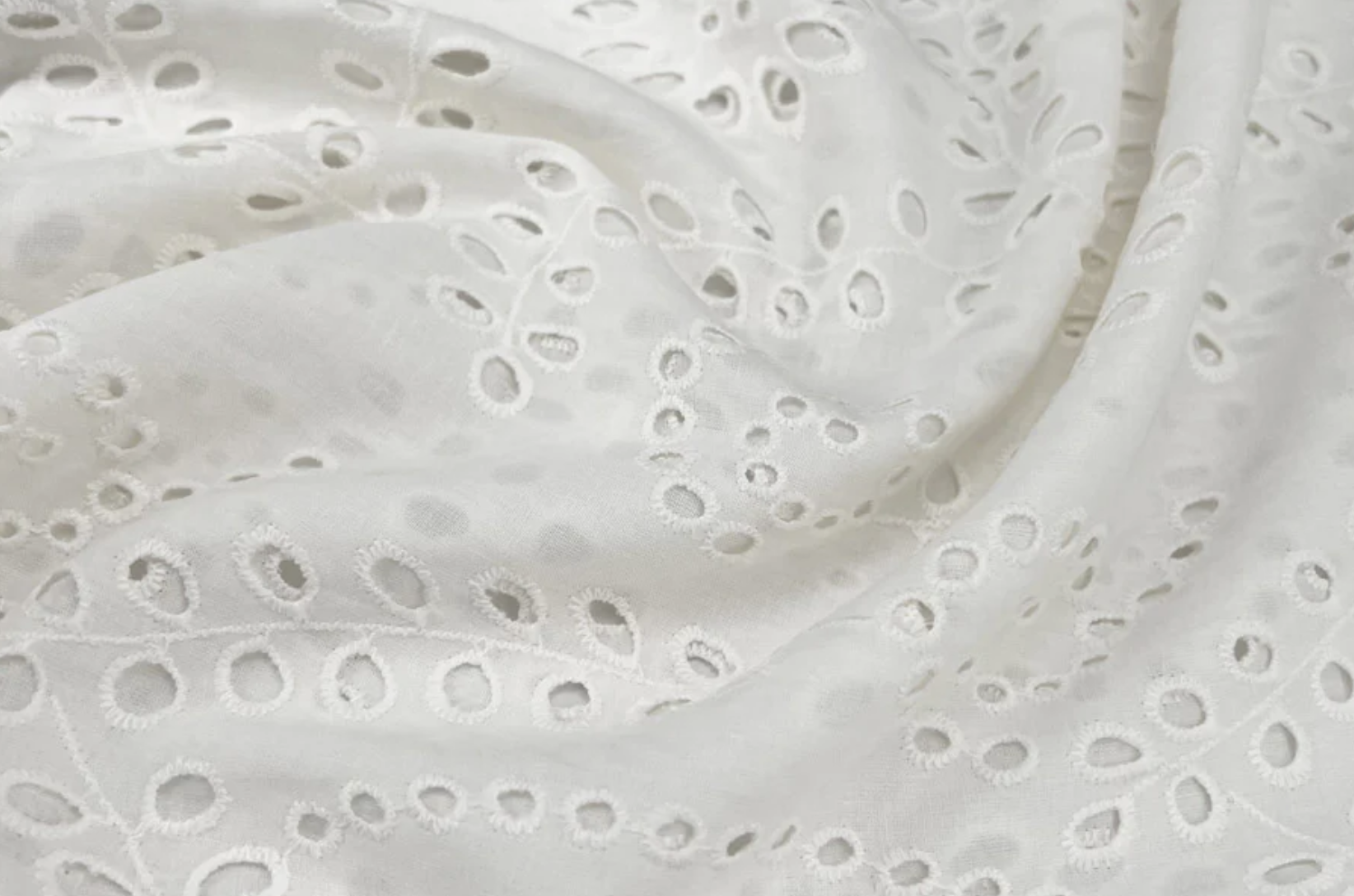
Photo credit: Croft Mill. Check out this Seersucker Shirting here
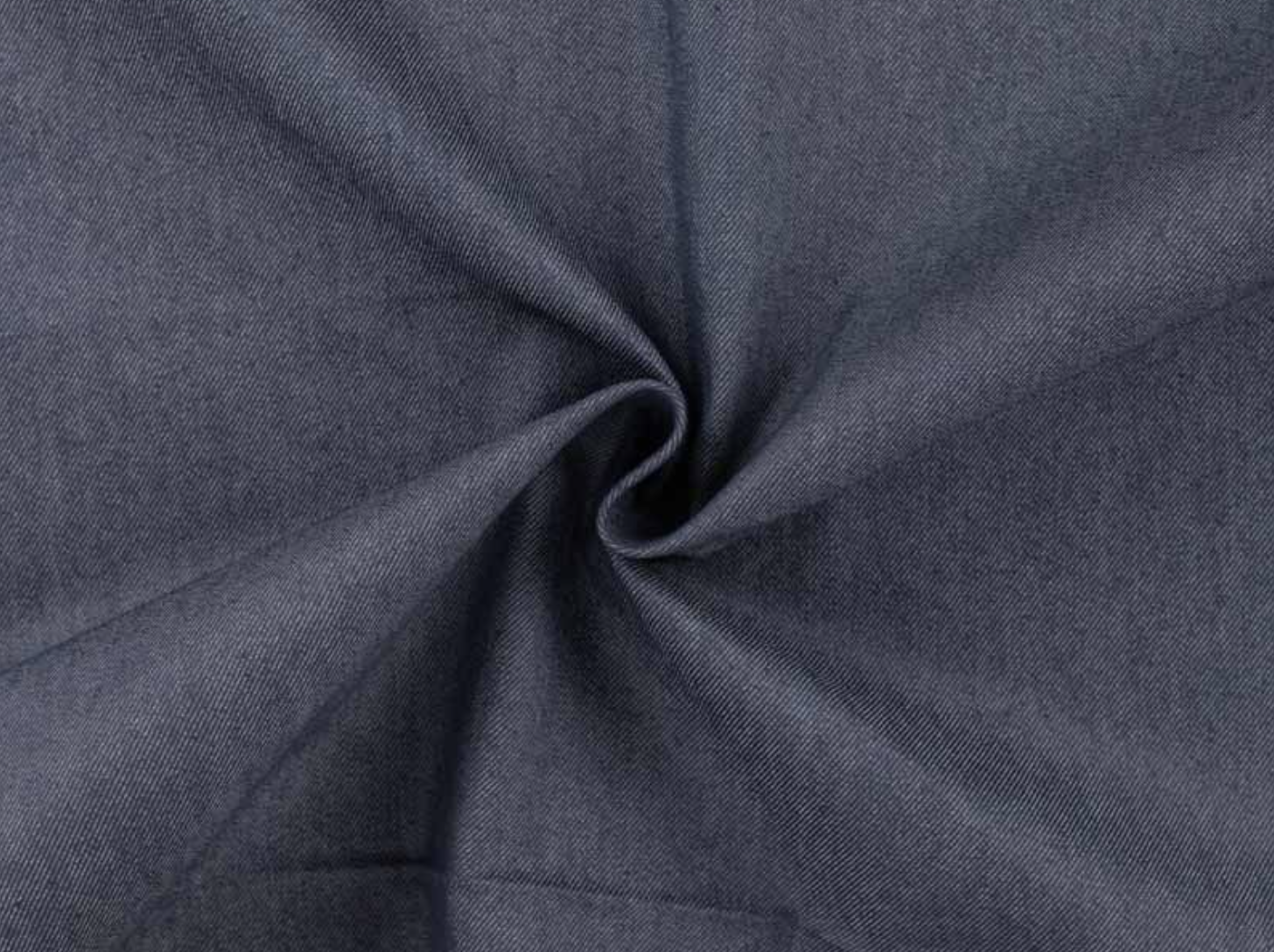
Summer Denim
Lightweight denim, particularly in a cotton or cotton/linen blend, works really well for summer sewing. It has a relaxed, casual quality that's perfect for skirts, shorts, and easy dresses, and it holds its shape beautifully without feeling stiff.
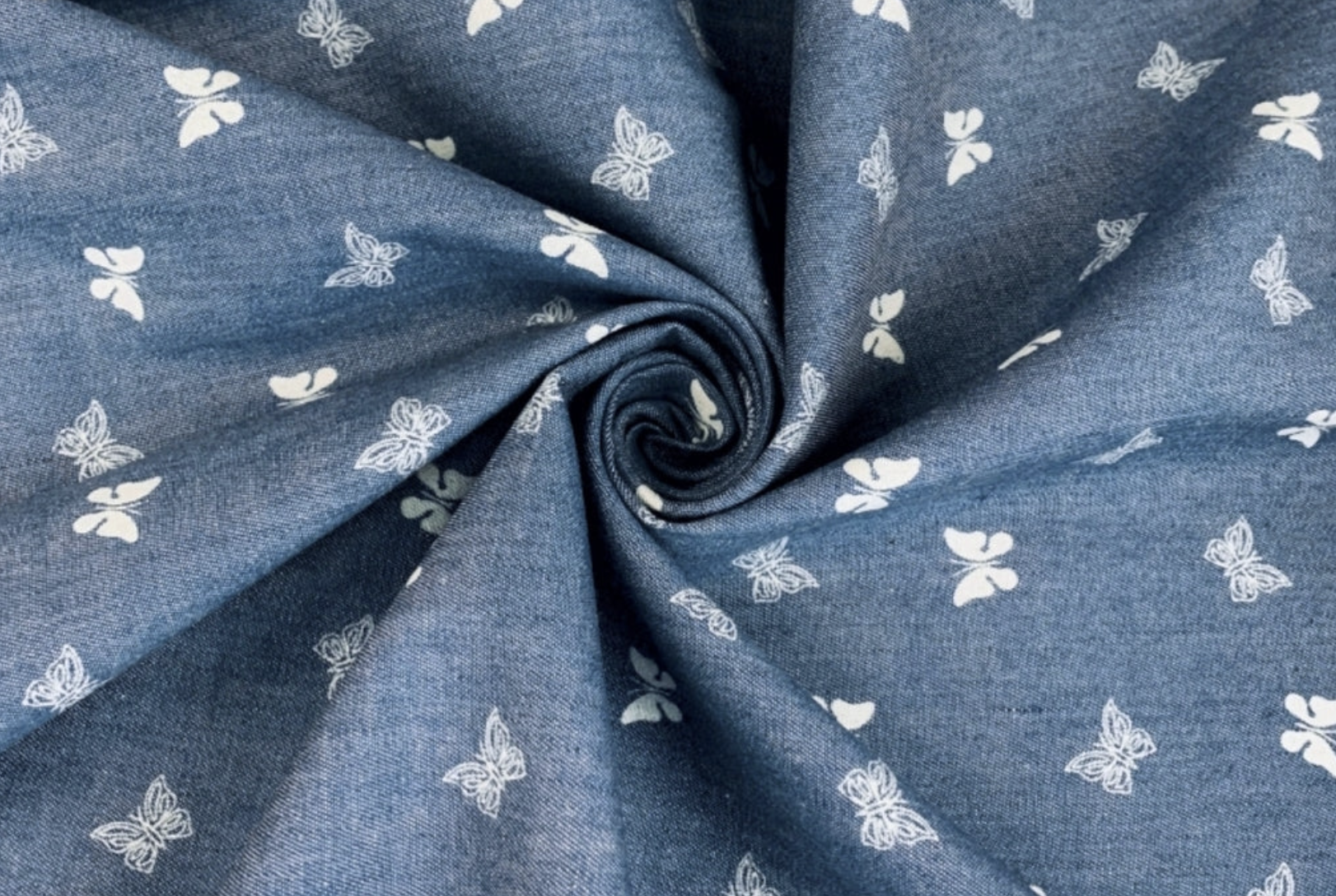
Chambray
Chambray is often confused with denim because of its similar look, but it's a plain weave fabric, which makes it lighter and more breathable. It drapes more softly too, making it a brilliant option for summer shirts, dresses, and wide-leg trousers. If you love the denim aesthetic but want something easier to wear and easier to sew, chambray is your answer.
Some Final Thoughts
Choosing the right fabric for a summer garment comes down to a few key things: breathability, weight, and how the fabric behaves on the body. Natural fibres (cotton, linen, silk, lyocell) are generally your best options because they allow heat to leave the body rather than trapping it. Semi-synthetics like viscose can also be brilliant in the right weights.
In terms of weaves, plain weave fabrics are your most reliable summer options, from crisp poplin to floaty gauze. For something with a bit more texture, seersucker is brilliant for its natural airflow. And if you want to try something a little more special, a lightweight silk twill or cotton jacquard can produce really beautiful results.
The key things to take away:
Pre-wash everything, especially linen and viscose
Match your lining fibre to your outer fabric
Use fusible tape on fine fabrics to keep armholes and necklines in shape
Always check the fibre content, because the same weave in a different fibre can behave completely differently
Happy summer sewing. I hope this helps you find something you absolutely love making and wearing.
If you'd like to go deeper on fabric selection and learn how to draft patterns specifically for your chosen fabric, come and join us in the Project Patterns membership, where we're about to start our Summer Design Project.